logo_stickylogo_stickylogo_stickylogo_sticky
  • HUBERT
    • THE COMPANY
    • THE FOUNDER
    • HUBERT’S TEAM
  • JEWELRY
    • LOOKBOOK
    • NEWS & EDUCATION
      • BLOGS & NEWS
      • EDUCATION
      • OUR VIDEOS
    • CUSTOM JEWELRY
    • TESTIMONIALS
    • ETHICS & SUSTAINABILITY
  • ONLINE STORE
    • ONLINE STORE
    • SATISFACTION GUARANTEE
    • FREE SHIPPING
    • FREE RING SIZING
    • FREE WITH PURCHASE
    • MONTHLY SPECIALS
  • CONTACT
    • CONTACT US
    • JEWELRY REPAIR
    • FAQ
  • JEWELRY
    • LOOKBOOK
    • CUSTOM JEWELRY
    • MINING ETHICS
    • GUARANTEE
    • TESTIMONIALS
  • HUBERT
    • THE COMPANY
    • THE FOUNDER
    • HUBERT TEAM
  • ONLINE STORE
  • BLOGS & NEWS
    • EDUCATION
    • OUR VIDEOS
  • CONTACT US
    • CONTACT US
    • JEWELRY REPAIR
    • FAQ
0

$0.00

STORE
✕
  • Home
  • Education: Gemstone and Jewelry
  • Tanzanite (Zoisite)

Tanzanite (Zoisite)

January 11, 2021

Tanzanite (Zoisite)

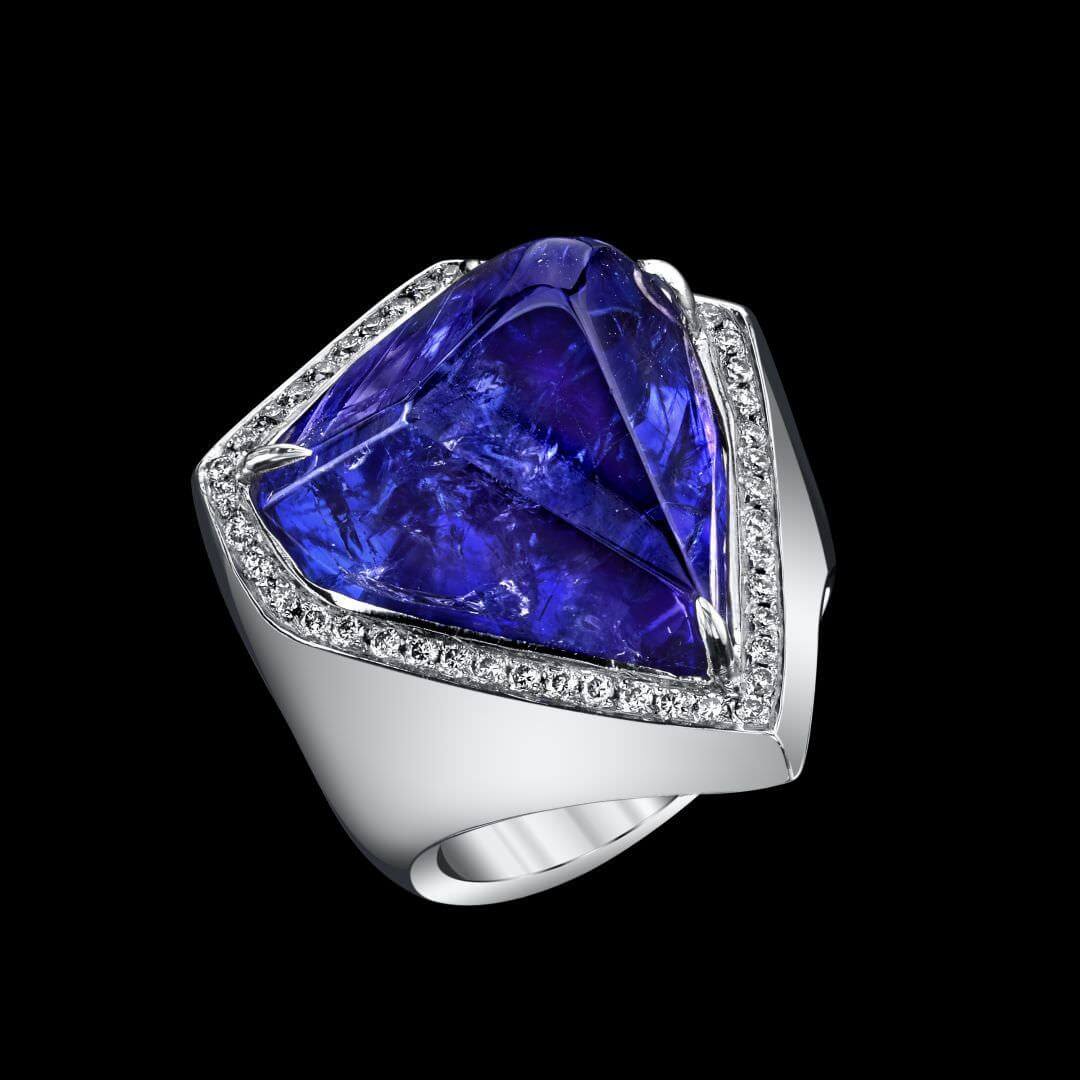
Tanzanite has had a rapid rise to prominence among jewelers and gem enthusiasts. Although naturally reddish brown, this transparent zoisite variety achieves a stable, beautiful blue to violet color with heat treatments.

Before the discovery of tanzanite, the known varieties of zoisite made little impact on the gem market. Discovered in the shadow of Mt. Kilimanjaro in 1967, tanzanites show both dramatic color change and pleochroism. In natural light, tanzanites can appear an almost sapphire blue. In fluorescent light, they may appear more violet or amethyst-like. Naturally trichroic, these gems can show blue, red-violet, and yellow-green colors when viewed through each of its three crystal axes.

Their most coveted property, however, is their blue to violet color. Although Mother Nature very rarely produces a blue to violet stone in the rough (via the slow heat of the Sun), almost all tanzanites must receive artificial heat treatments to achieve that coveted color. Typically, they’re heated to about 500-600º C or 932-1,112º F.


Pleochroism

Tanzanite

  • (Violet color) Reddish purple/blue/yellowish brown.
  • (Blue Color) Blue/red-violet/yellow-green.


Sources

The sole source of tanzanite is the Merelani Hills in the Lelatema Mountains, Tanzania. The mines here produce fine blue to violet crystals, up to large size, and often gemmy.


Care

Although tanzanite hardness may range from 6 to 7, its tendency to cleave and brittleness pose hazards for daily wear. Reserve these gems for occasional pieces or use protective settings. Clean them only with a soft brush, mild detergent, and warm water.
Share
0

Related posts

January 27, 2022

Citrine and the Four Cs


Read more
May 19, 2021

Moonstone Symbolism


Read more
May 10, 2021

What is Gemstone Luster?


Read more

SEARCH

✕

CATGEGORIES

NEWS & SPECIALS

Thank you. Check your inbox or spam folder to confirm. Cancel anytime.

  • MINING & TRADE ETHICS
  • SATISFACTION GUARANTEE
  • TERMS & CONDITIONS
  • PRIVACY POLICY

NEWS & SPECIALS

Thank you. Check your inbox or spam folder to confirm. Cancel anytime.

  • CONTACT US
  • JEWELRY REPAIR
  • FREE SHIPPING
  • CAREERS
  • The Alluring Beauty of Tourmaline Jewelry
    October 16, 2023
  • The Mesmerizing World of Fine Opal Jewel
    October 9, 2023
HUBERT JEWELRY © 2026 - All Rights Reserved
STORE
0

$0.00

✕

Login

For security, use of Google's reCAPTCHA service is required which is subject to the Google Privacy Policy and Terms of Use.

Lost your password?